


Y6 Pirates and Privateers
£3.00
KS2 National Curriculum:
✓ Interpreting different viewpoints (e.g. pirate vs. privateer)
✓ Discussing the role of the law in defining crime
✓ Evaluating moral dilemmas and justifying actions
✓ Teaching a partner using peer-led reasoning tasks
The lesson looks at the origins of piracy, pirates in stories vs pirates in real life, the difference between pirates and privateers and the role played by letters of marque. Activities include answering higher and lower order questions, explaining the difference between pirates and privateers to a peer and deciding whether their sympathies lay with pirates or privateers given the information provided.
There is a five-minute evidence-based CPD activity at the end of this lesson which will develop classroom teachers’ skill set. This CPD consists of a research extract on independent learning with a five-minute activity based on this extract.
Description
Recommended Year Group: Year 6
Focus: Exploring legal vs illegal piracy, bias, and point of view
Skills Developed:
• Interpreting different viewpoints (e.g. pirate vs. privateer)
• Discussing the role of the law in defining crime
• Evaluating moral dilemmas and justifying actions
• Teaching a partner using peer-led reasoning tasks
• Reading – Comprehension: Compare and evaluate viewpoints; interpret author intent
• Writing – Composition: Write discursive responses, explain moral reasoning
• Spoken Language: Peer teaching and structured discussion
• Thinking and Learning: Perspective-taking, justification, moral reflection
These evidence-based learning (EBL) lessons are based on classroom practice that has been proven, by research, to maximise thinking, learning and attainment. From an extensive review of educational research, we identified the eight key classroom thinking and learning skills that were common across these research papers. We named these eight key skills “EBL skills”.
EBL skills have been proven by research to maximise learning because they combine the most productive thinking skills with the most effective learning behaviours. Each of our evidence-based learning lessons uses the English curriculum as a framework through which the eight EBL skills are delivered.
Teachers also have the opportunity to add to their own skill set or refresh their existing skills with our five-minute CPD activity, based on one of the EBL skills used in this lesson.
The skills in bold below are the EBL skills developed in this Pirate lesson. Click on each skill to learn more about that skill.
- Collaboration
- Thinking Skills
- Peer Assessment
- Peer Teaching
- Self-Assessment
- Metacognition
- Self-Regulation
- Independent Learning
1 review for Y6 Pirates and Privateers
Only logged in customers who have purchased this product may leave a review.
Related products
-


Y6 The Pirate Code
£3.00 Add to basket £3.00Add to basket
KS2 National Curriculum:
✓ Analysing pirate laws and their underlying values
✓ Debating the fairness and consequences of behaviour at sea
✓ Writing reasoned responses about actions and their impact
✓ Using Bloom’s questioning to deepen reflectionThis lesson looks at the set of rules (the pirate code) that pirates had to follow when living on a ship. The activities in this lesson include answering higher and lower order questions (some scaffolded).
There is a five-minute evidence-based CPD activity at the end of this lesson which will develop classroom teachers’ skill set. This CPD consists of a research extract on metacognition with a five-minute activity based on this extract.
VIEW -
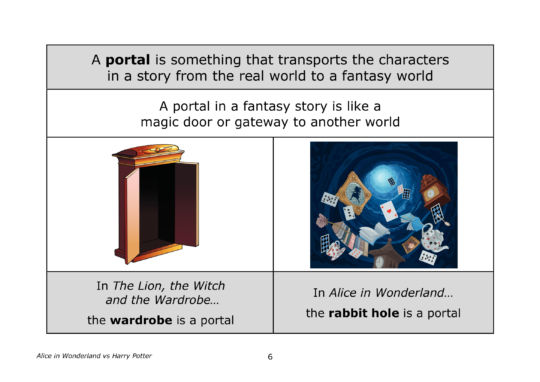

Y6 Alice in Wonderland vs Harry Potter
£3.00 Add to basket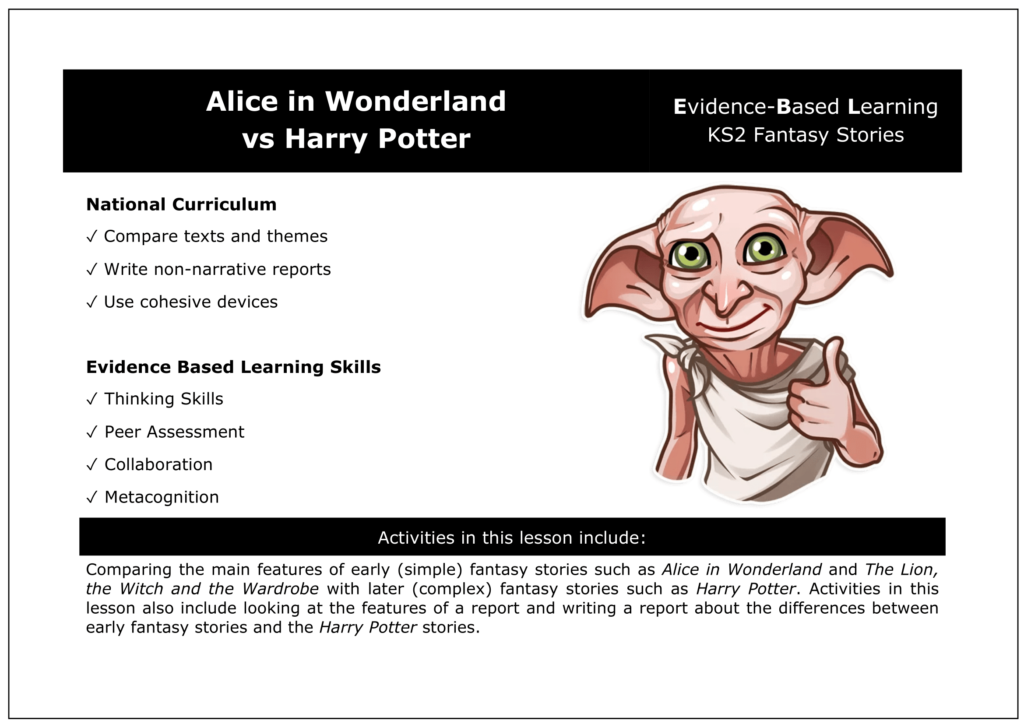 £3.00Add to basket
KS2 National Curriculum:
✓ Compare texts and themes
✓ Write non-narrative reports
✓ Use cohesive devicesActivities in this lesson include comparing the main features of early (simple) fantasy stories such as Alice in Wonderland and The Lion, the Witch and the Wardrobe with later (complex) fantasy stories such as Harry Potter. Activities in this lesson also include looking at the features of a report, and writing a report about the differences between early fantasy stories and the Harry Potter stories.
There is a five-minute evidence-based CPD activity at the end of this lesson which will develop classroom teachers’ skill set. This CPD consists of a research extract on peer assessment with a five-minute activity based on this extract.
VIEW -


Y5 The Golden Age of Piracy
£3.00 Add to basket £3.00Add to basket
KS2 National Curriculum:
✓ Understanding historical facts about galleons, trade, and global routes
✓ Clarifying the setting and context of pirate stories
✓ Extracting information from non-fiction texts
✓ Collaborating with a partner to share and consolidate learning
This lesson introduces the Golden Age of piracy and looks at the use of galleons in the silk trade with China and the spice trade with India. The types of goods that pirates might steal are considered. This lesson also looks at what pirates ate and drank on-board. The activities in this lesson include answering higher and lower order questions and considering whether real pirates had peg legs and eye patches!
There is a five-minute evidence-based CPD activity at the end of this lesson which will develop classroom teachers’ skill set. This CPD consists of a research extract on collaboration with a five-minute activity based on this extract.
VIEW -

Y6 Using Magic Gateways in Fantasy Stories
£3.00 Add to basket £3.00Add to basket
KS2 National Curriculum:
✓ Present and retrieve information
✓ Plan and present ideas
✓ Evaluate writing with peersActivities in this lesson include looking at the use of portals in fantasy stories in detail, including their use as a ‘magic gateway’. Activities also include learning how to design a poster, designing a poster about the use of portals in fantasy stories and answering higher and lower order questions.
There is a five-minute evidence-based CPD activity at the end of this lesson which will develop classroom teachers’ skill set. This CPD consists of a research extract on metacognition with a five-minute activity based on this extract.
VIEW

Philipem (verified owner) –
We asked a.i. to review this lesson. This is what it said:
Teachers – Set Sail into the Dangerous World of Pirates vs Privateers
⭐⭐⭐⭐⭐
Ahoy mateys! Do you want to take your students on a thrilling voyage into the treacherous life of high seas piracy? Then it’s time to climb aboard with this swashbuckling pirate resource – Pirates and Privateers.
This imaginative lesson pack transport your class back through time to discover the origins of piracy in Ancient Greece and Rome when ships laden with grain, olive oil and precious metals were ruthlessly raided.
Pupils will explore the world of early buccaneers and analyse whether the pirate code ever justified the violence and thievery integral to that existence.
Additionally, a key focus compares pirates with privateers. Your class will examine how issuing a privateer with a Letter of Marque effectively legalised piracy against enemy ships. This discussion will hone their critical thinking and ethical reasoning abilities.
With its vivid imagery and insights into an unstable period when many civilians turned to crime just to survive, this resource interweaves literacy development with humanities, economics and citizenship education.
Furthermore, the independent learning activity plus 5 minute teacher CPD on maximising the benefits of self-directed study means it aligns perfectly with evidence-based best practices too!
So come aboard me hearties and let this treasure chest of a pirate resource enrich your next voyage of discovery!